
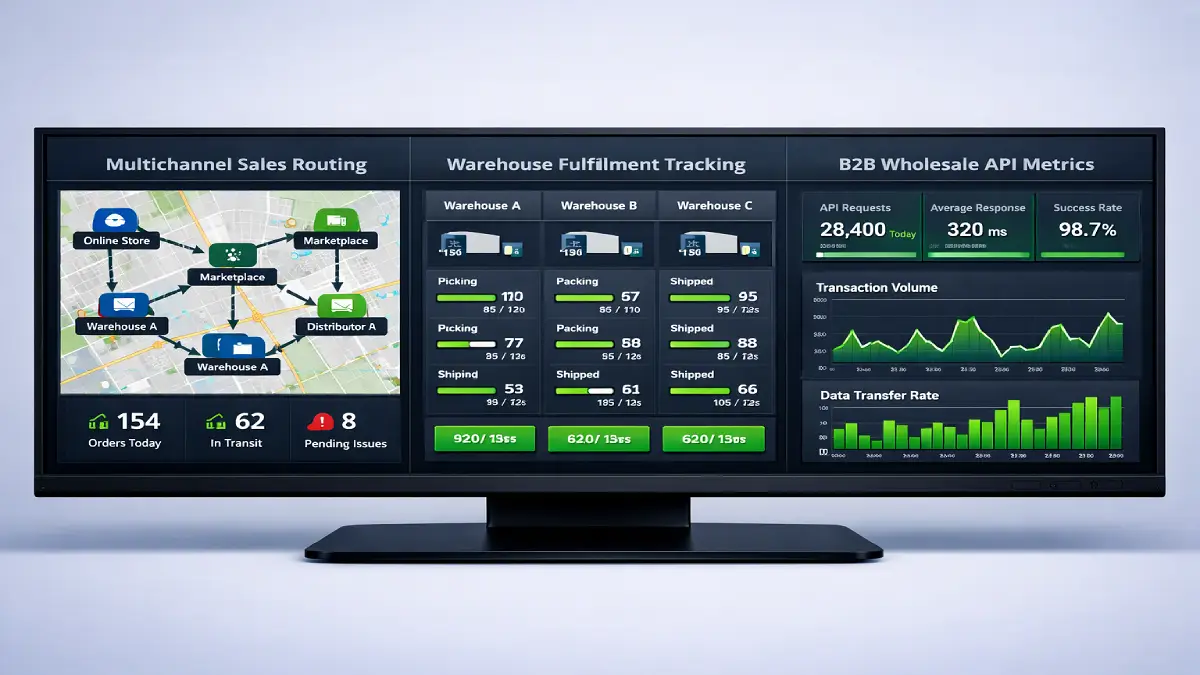
Verdict: When auditing a cloud based order management system (OMS), operations managers discover that manual data entry causes devastating stockouts during peak sales. High-volume merchants must abandon basic eCommerce backends and adopt a dedicated cloud inventory management platform. Systems like Katana or Cin7 Core autonomously sync multichannel sales, instantly allocate available stock, and route fulfillment data to warehouses without human intervention.
14-Day Free Trial / No Credit Card Required →
| Platform | Core Strength | Base Pricing | ROI Verdict | Action |
|---|---|---|---|---|
| Katana Cloud | Omnichannel & Manufacturing | $179/mo | Perfect balance for brands that manufacture goods and sell across Shopify/Amazon. | Try Free (14 Days) → |
| Cin7 Core | B2B & Wholesale Routing | ~$349/mo | Unmatched for complex B2B wholesale orders requiring EDI integrations. | View Pricing → |
| Linnworks | Global Marketplace Sync | Custom (Quote) | Enterprise-grade API throttling designed for massive Amazon/eBay sellers. | Request Demo → |
API Throttling and Overselling Risks
A critical failure point in scaling an eCommerce brand is relying on standard shopping cart APIs to handle inventory reduction. During high-velocity flash sales, platforms like Shopify impose API rate limits. If your OMS cannot process webhook payloads fast enough, you will sell inventory you do not possess, resulting in canceled orders and damaged merchant scores.
When executing a Cin7 vs Katana performance audit, we evaluate their synchronization intervals. Top-tier platforms mitigate API bottlenecks by holding a localized “buffer stock” logic and pushing multi-channel updates in real-time batches, completely eradicating the risk of overselling.
Automated Fulfillment Routing and 3PL Integration
A robust warehouse management system cloud based architecture must separate the “order capture” phase from the “fulfillment routing” phase. Modern systems allow operations directors to build conditional logic: if an order comes from the East Coast, the software automatically routes the pick-ticket to the New York warehouse. If the item is out of stock, it splits the order and sends the remaining balance to a third-party logistics (3PL) provider.
Furthermore, if your company handles its own local deliveries, your OMS should theoretically handshake with your fleet management software. This connection ensures that as soon as a warehouse worker scans a package onto a delivery truck, the order status changes to “Out for Delivery,” instantly updating the customer without manual data entry.
Frequently Asked Questions (Real User Audits)
What is the difference between an OMS and a WMS?
An Order Management System (OMS) focuses on capturing sales across multiple channels and processing payments/invoices. A Warehouse Management System (WMS) strictly handles the physical movement of goods: bin locations, barcode scanning, and pick/pack workflows. Premium platforms like Katana blend both into a single cloud ecosystem.
Are there hidden costs in cloud order management software?
Yes. B2B audits consistently reveal hidden costs regarding onboarding fees (which can exceed $2,000 for complex setups) and Electronic Data Interchange (EDI) connections required by big-box retailers. Always negotiate onboarding costs before signing an annual contract.
Does Linnworks integrate with QuickBooks Online?
Yes, Linnworks and Cin7 both push financial data to QuickBooks. However, they push consolidated daily sales journals and COGS rather than hundreds of individual transactional invoices, which keeps your accounting ledger clean and prevents database bloat.
Software Evaluation Data (Schema Profile)
- Software Category: Cloud Order Management System (OMS)
- Competitors Evaluated: Katana Cloud, Cin7 Core, Linnworks
- Primary Challenge: Multichannel inventory sync delays and API rate limits causing overselling.
- Average Starting Price: $179 – $349 USD/Month
- Market Rating: 4.7 / 5.0 (Verified G2 Operations Reviews)
Disclaimer: Pricing structures and API limits are based on independent B2B audits as of Q3 2026. Verify third-party connector limits directly with vendors before integration.