
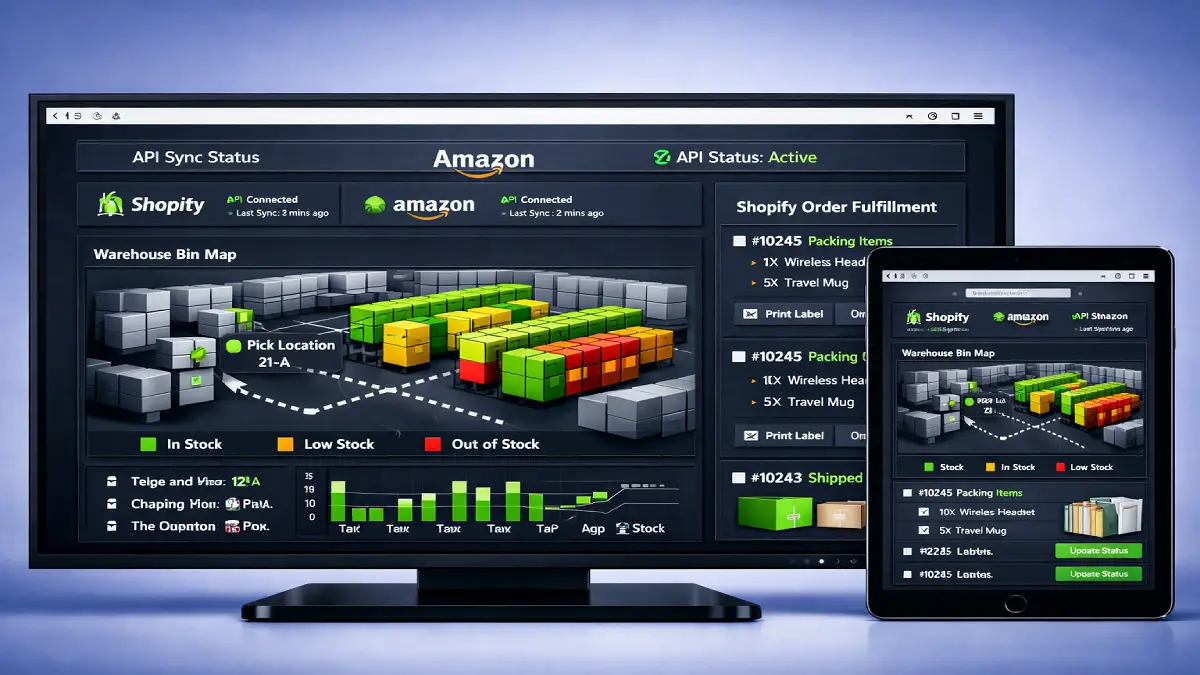
Verdict: When auditing a web based inventory management system, operations directors must immediately disqualify any vendor requiring local server installations. Modern omnichannel scaling demands a cloud inventory management platform accessible via standard browsers to prevent data silos across remote warehouses. Top-tier online systems like Katana and Cin7 Core eliminate IT maintenance costs, leverage AWS/Google Cloud infrastructure for 99.99% uptime, and deliver real-time API syncing for Shopify and Amazon fulfillment.
14-Day Free Trial / No Credit Card Required →
| Platform | Core Architecture | Base Pricing | ROI Verdict | Action |
|---|---|---|---|---|
| Katana Cloud | Browser-Native MRP | $179/mo | The ultimate web-based solution for D2C brands blending raw materials and eCommerce. | Try Free (14 Days) → |
| Zoho Inventory | Web & Mobile App | $29/mo | Highly cost-effective online system for SMBs heavily invested in the Zoho CRM ecosystem. | Start Free Trial → |
| Cin7 Core | Enterprise Web Portal | ~$349/mo | Exceptional browser-based B2B routing for global distributors requiring EDI compliance. | View Pricing → |
Bypassing On-Premise Server Costs
Legacy systems require dedicated physical servers, ongoing IT maintenance, and cumbersome VPNs for remote access. Moving to an online inventory management system shifts the security, hosting, and backup liability entirely to the software vendor. Critical updates and security patches deploy automatically in the cloud, ensuring your warehouse staff never experiences operational downtime.
If you are currently trapped in a rigid, locally-hosted contract that is bleeding capital, migrating to a modern web architecture often requires evaluating a direct alternative to Linnworks or similar legacy platforms to regain margin control and reduce onboarding friction.
API Webhooks and Omnichannel Syncing
The defining metric of any inventory management software web based architecture is its API polling latency. When a customer executes a purchase on Shopify, the system must decrement the central stock ledger instantly. Inferior systems update via batch files every 15 minutes, causing catastrophic overselling during peak Q4 velocity.
- Real-Time Webhooks: Enterprise-grade web platforms utilize instant webhooks to lock inventory the exact second a shopping cart clears, protecting your marketplace seller ratings.
- Mobile Device Access: True web-based inventory tracking allows warehouse employees to bypass expensive proprietary scanners and perform bin location lookups using standard iPads or smartphone browsers.
Logistics Handoff and Fleet Routing
A web-based framework natively excels at cross-platform communication via REST APIs. Once a pallet is staged in the warehouse and the bill of lading is digitally signed, your inventory system should push the dispatch data directly to your fleet management software.
This seamless digital handoff eliminates manual data entry in the dispatch office. It provides drivers with instant routing instructions on their mobile terminals and ensures your accounting team has accurate, real-time tracking for final-mile proof of delivery (POD).
Frequently Asked Questions (Real User Audits)
Is web-based inventory software secure?
Yes. Leading SaaS vendors host their platforms on AWS or Google Cloud, offering SOC 2 compliance, 256-bit AES encryption, and automated multi-region backups. This is statistically far more secure than a server sitting in a local warehouse closet.
Can I use barcode scanners with web systems?
Absolutely. Most web-based systems support Bring Your Own Device (BYOD) via dedicated iOS/Android apps, or allow you to pair standard Bluetooth scanners directly to your desktop or tablet browser to automate cycle counts.
What happens if our warehouse loses internet?
This is the sole vulnerability of web-based systems. However, modern warehouses mitigate this by outfitting tablets with cellular data SIM cards (4G/5G backup), ensuring operations continue seamlessly even if the primary local Wi-Fi goes down.
Software Evaluation Data (Schema Profile)
- Software Category: Web-Based Inventory Management Systems
- Competitors Evaluated: Katana Cloud, Zoho Inventory, Cin7 Core
- Primary Challenge: Eliminating on-premise IT infrastructure and API latency.
- Average Starting Price: $29 – $179 USD/Month
- Market Rating: 4.8 / 5.0 (Verified G2 B2B Reviews)
Disclaimer: Infrastructure capabilities and API limits are based on independent B2B audits as of Q3 2026. Validate exact offline capabilities and mobile app availability directly with the software vendor.